Archive for the ‘Health’ Category
Don’t Know Where . . .
. . . they got the idea that
nothing is impossible.

I’ve been doing nothing
for the past several years.
= = = = =
10 Questions to
Ask About Drugs
By James Gaffney, Mature Life Features
Many patients, especially older adults, fail to ask their doctors or pharmacists about the prescription drugs they take.
To avoid adverse reactions to a prescribed medication, a list of 10 questions has been put together by the medical director of a major pharmaceutical firm.
1. For what specific condition or treatment are you prescribing this medicine?
2. Are there other treatment options available? Alternative drugs? Generics?
3. How am I directed to take this medicine? When? In what amount? With or without food?
4. How long will I remain on this medication — long-term for a chronic condition or short-term for an acute condition?
5. What are the potential side effects of this medicine?
6. Under what circumstances should I discontinue use of this medication and notify my physician — for example, vomiting, nausea, dizziness?
7. Are there conditions that would prevent me from taking this medication, such as high blood pressure.
8. Have I told my doctor about all other medications I’m taking, both over-the-counter and prescription?
9. If I am taking other medications, is there an increased risk for potential side effects or adverse reactions?
10. After reading the information provided by the drug manufacturer and my pharmacist, do I have additional questions?
You should also:
— Provide every physician treating you with an up-to-date list of prescribed and over-the-counter medications being taken;
— Alert any health-care professional treating you (including your pharmacist) to details of your personal and family history that might impact your tolerance for, or reaction to, a particular
medication;
— Take prescribed medication exactly as indicated; never exceed or skip a recommended dosage;
— Educate yourself about potential side effects and adverse reactions that could occur, and
— Never borrow or lend prescribed medications from or to friends or family members.
I Looked . . .
. . . in the mirror today

and realized
I still have the body of a 20-year-old.
I’ve just stretched it out of shape a bit
here and there over the years.
= = = = =
AGING IS ALL
IN YOUR HEAD
Mature Life Features
It’s always interesting to note that colleges and corporation spend time and money, and the government sometimes spends our money, to learn things everyone already know.
A recent example are results of a couple of surveys that reveal the less intelligent people are, the smarter they think they are. In other words, stupid people don’t know they’re stupid.
But the discussion here deals with something else everyone knows – you’re only as old as you feel. That’s what is indicated by survey by a breakfast-cereal company. In a telephone survey of people over 40 years old, 80 percent of the respondents said they feel young. Also, 66 percent said the prime of life is between the ages of 30 and 50 years. And the characteristics of a person in his or her prime of life are physical energy, according to 35 percent of those surveyed; emotional maturity, 34 percent; financial security, 22 percent, and youthful appearance, 6 percent.
While 70 percent of those surveyed felt the thing they could do to feel their best is to exercise regularly, more than half – 55 percent – admitted they don’t exercise enough. Almost 80 percent of the respondents feel better about themselves than they thought they would upon reaching their particular age.
When asked what they might choose to do to improve themselves, 29 percent said they’d like to enhance their energy levels. The same percentage said expand their minds by learning something new, 23 percent said they’d like to reduce stress, and 15 percent opted for improving their physical appearance.
Among the things they liked about getting older, “getting a better perspective on life” and “more leisure and family time” outranked retirement and career accomplishments.
The Problem . . .
. . . with political jokes is

they aren’t funny
when they get elected.
= = = = =
Shake Your Fist
At Arthritis
To avoid stiffening and soreness in your hands, or alleviate it if that’s already started, clench your hands into a fist.
It’s one of several easy exercises you can repeat two or three times a day that are recommended by orthopedic experts to maintain flexibility and use of your hands.
The idea is not to force any movement, especially if you’re suffering from any form of arthritis.
After making a fist, you should straighten out all your fingers and thumb as far as possible. Then spread apart all your fingers and thumb as far as you can.
Close your fingers, aim your hand at the ceiling and point your thumb to the side. Then hold your hand out in a hand-shake position and roll your thumb from an outstretched position to touch the base of your little finger.
Then cup your hand and touch the tip of each finger with the tip of your thumb. Now do it all over again.
Some Of You . . .
. . . may remember this
(and some of you may not),
but it’s a reminder of why
we wish an actor good luck
by saying “break a leg” —
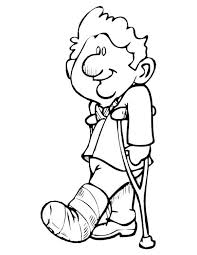
it’s because every production has a cast.
= = = = =
It’s Fall Season
Year ‘Round at Home
More than 50percent of all falls occur at home, so that’s where you should start looking for hazards – and eliminate them. The death toll from fall-related injuries for people 65 years and older tops 17,000 each year and some 3 million more seniors were treated in emergency rooms around the country for injuries sustained in a fall.
Fall-prevention should be high on seniors’ priority lists.
Start by making sure your vision is not failing and that the interior and exterior of your living quarters, whether it’s a house or apartment, are well lighted night and day.
Remove rugs from slippery floors and tack down carpet edges that may curl up. Don’t leave shoes, slippers, socks and clothing laying around on the floor. Install handrails alongside all stairs and steps and grab bars in showers and bathtubs. Then check your medications to see if any of them interact in a way that might affect your vision or make you dizzy.
If Marriage . . .
. . . ever becomes illegal,

only outlaws will have in laws.
(Think about it.)
= = = = =
Check Moles for
Alphabetical Clues
It’s not always practical to head to the doctor’s office every time a new spot shows up on your skin. If you have concerns, have your physician take a look, but there are certain indicators, dubbed the ABCDE’s of skin cancer, that signal the need for closer scrutiny from an expert.
Stand in front of a full-length mirror and take note of moles that you’ve always had. Then check all blemishes for:
— Asymmetry, moles that don’t look the same on each side;
— Borders on moles that are irregular, jagged or blurry;
— Colors that are inconsistent, including areas that are darker; multiple colors, such as blue, purple, red, or gray, or colors that change;
— Diameter of moles larger than a quarter inch or the head of a pencil eraser, and
— Evolving lesions, namely, lesions that are not stable and are changing, even if they are small.
Any of those indicators individually and, certainly, together warrant a trip to the doctor.
.
Lady At A Nearby Table. . .
. . . was discussing a relative’s recent birth

and commented that women shouldn’t have any more babies after 35.
I agree,
35 babies in any one family is enough.
= = = = =
Autoimmune Disease
Attacks from Anywhere
It wasn’t all that long ago when most of us never heard of an autoimmune disease.
Medical science and research has identified more than 100 of these disorders that range from type 1 diabetes to multiple sclerosis, lupus, and autoimmune rheumatoid arthritis. No one knows what causes these diseases nor why anyone gets them. Many victims live with the condition for years before being diagnosed properly.
An autoimmune disease occurs when your immune system mistakenly attacks your body. For example, autoimmune hepatitis is a result of your immune system attacking your liver instead of the lurking germs and viruses. Your immune system never rests in its battle against bacteria and it somehow can turn on you, causing debilitating, and death-threatening in some cases, inflammation of joints, nerves and organs.
Recent reports indicate the problem is increasing as more than 15 percent of the population carry biomarkers of autoimmunity, a 5 percent rise over just a few decades. Medical experts attribute the increase to chronic stress in our day-to-day lives, diets loaded with processed foods, and environmental toxins, such as insecticides and pesticides in the air and food.
A healthy diet and lifestyle helps combat the onset and treatment of autoimmunity. Starting with your diet is probably the simplest and easiest first step toward insulating yourself against autoimmune attacks. The Mediterranean diet is recommended widely as a healthy weapon against autoimmune disease.
There is plenty of literature available on what comprises this anti-inflammatory list of food that calms your immune system. A quick overview includes vegetables, fruit, nuts, fish and olive oil. Foods to avoid include refined oils, processed meat, and anything with added sugar. Almost three-quarters of your immune system lives in your guts, so probiotics and live-culture foods such as yogurt are strong shields against autoimmune attackers.
A dietician can work with you to prepare a list of eat and don’t-eat items.
Regular exercise is also urged. You don’t have to sign up at a gym for daily two-hour weight-lifting sessions. A walk in the park with your dog, a bicycle ride, or some laps in the pool all work and can be enjoyable. This activity will also help avoid stress and relax. And you’ll probably sleep better, giving your body and immune system more time to repair itself.
Before adopting any regimen in your life, discuss your situation with your primary care physician.
I Keep Hearing . . .
. . . that we learn
from the mistakes of others,

but the problem is
I’m always in the “others” category.
= = = = =
Future of Telemedicine is Now
Getting cured in cyberspace sounds like science fiction but it’s already here. Telemedicine – the practice of getting diagnosis and treatment via your laptop or cell phone – has been gaining traction rapidly as the way to monitor and maintain your health.
Accelerating this drive to remote medical servicing is the unavailability of health care in rural (and some urban) areas because of the diminishing supply of doctors as the over-65 crowd grows at the rate of 10,000 people a day.
As it stands, one out of five residents live in areas that have been identified as being short of health-care professionals. The advantage of being able to contact a doctor remotely was accentuated during the COVID-19 pandemic when people were confined to quarters.
Telemedicine opens the door to specialists as well as second medical opinions without taking up too much consulting time by the health experts contacted. It also reduces the stress on the patient as well as eliminating the need to travel to an appointment, which requires the patient to find a driver in many cases.
Seniors fretting about their lack of computer equipment or skills find a telephone conversation may work as well. Medicare has expanded its coverage to include medical treatment by phone or computer.
While not all health-insurance companies are following suit, several recognize telemedicine helps reduce the cost of health care. For example, it allows primary-care physicians to schedule appointments at any time and not just the traditional “office hours” and reduces unnecessary office and emergency-room visits. It also lowers the cost of patient no-shows.
A barrier in the way of expanding telemedicine is the reimbursement rules that require treatment to be conducted in specific sites, such as the doctor’s office or a health center to qualify. Government licensing laws also get in the way.
Federal law requires telemedicine health-care providers to be fully licensed to practice medicine in the state where the patient is physically located. Providers in health systems that have locations in more than one state may need to apply for and pay to maintain multiple licenses. Current interstate licensing laws vary across states.
If You Haven’t Heard . . .
. . . Wednesday’s the day for it —

get your hearing and hearing aids checked
at 3 p.m.
in the 2nd-floor multi-purpose room.
– – – – –
People Don’t Cure Loneliness, You Do
You don’t have to live alone to be lonely.
Senior citizens homes are crammed with lonely people. And there are hordes of people living alone who are not lonely. They enjoy the time they have to themselves and the freedom to do what they want to do whenever they want to do it and for as long as they like.
The starkness of lonely living ambushes many people after a loved one dies.
Walking into an empty house after all the final arrangement have been made can be devastating..
In some ways, residents of a senior-living complex can help because many of them have been through what the grieving person is going through. Instead of torrents of sympathy, the residents offer empathy and, in some cases, sage advice to help the bereaved breathe through the crisis.
There is a difference between missing a loved one and being lonely. Thinking about how great a person he or she was means you miss them. Remembering how and longing for sharing matters and moments with them indicates you’re lonely.
Everyone has or will experience loneliness at some time during their lives. Some folks, research has revealed, are born with loneliness in their genes. Giving in to it can damage your life. It can deepen dementia and depression, bring on physical disabilities, and shorten your life.
Friends, pets, exercise, and travel tours are cited among the curbs against loneliness. Keeping a journal reportedly helps divert loneliness. It allows you to get to know and like yourself and alleviates the stress of fighting off loneliness. Interacting with other people helps – coffee sessions with friends, joining hobby groups and volunteering your time with an organization you support are a few ways.
It turns out caregivers can experience severe loneliness as they’re world shrinks down to the individuals they’re caring for. They’re atop the list of folks who need to find time to devote to something they enjoy to fend off loneliness. If you’re a caregiver, you should do something you like to do, even if you have to do it yourself.
Take a weekend to visit the grandkids, visit your favorite restaurant, buy a bicycle and pedal around the neighborhood and get to know your neighbors, slip in a warm soothing bath, or learn to play the saxophone.
Sitting Around With . . .
. . . long-ago pals during my recent trip back home
we drug up the long-ago story about
the kid on the farm down the rod who was
given a pet pig
and he named it

Chris P. Bacon.
= = = = =
Falls Happen Any Time of Year
Half of the 32,000 deaths caused by falling happen to folks 75 years or older.
Falling is second only to heart disease as the major cause of deaths, and aging is the number one factor involved in these fatalities.
Three major causes of the more than 35 million falls reported annually are a step, slip or trip, all of which can be prevented, according to a consensus of health officials across the land.
Maintaining a healthful regimen is the initial process in the campaign to avoid falling.
Eat regularly and drink plenty of water to prevent dehydration. Develop and a keep up a regular exercise program that includes stretching and balance exercises as well some stamina, such as walking or swimming or biking.
Get regular medical checkups as well as hearing and vision tests.
Talk with your doctor about the effects and interaction of the medications you’re taking and ask if you should add vitamin D or calcium to the list.
Meet with them immediately if you’re having light-headed, dizzy or fainting spells.
Have all your prescriptions filled at one pharmacy and get your supplements there so you can discuss how everything interacts.
When you get home, remove all loose mats and rugs that make easy trip-over material. Check your furniture layout to ensure you have plenty of room to move around. Get rid of excess pieces that may look nice but are in the way.
Wear non-slip footwear around the house.
If it’s suggested that you might need a walker or cane, get one, and use it. Consider getting a medical alert device, especially if you’re living alone.
To avoid slipping, install non-slip flooring in your tub/shower and install grab bars at critical spots in the bathroom.
Add nightlights and handrails along the corridors that lead from your bedroom to bathroom.
While you’re at it, install night lights and handrails along the stairs to your basement and bedroom. Keep all passages well lighted and clear of rugs and objects you can trip over.
Store everything – canned goods, tools, laundry soap – within easy reach without the need of a ladder or step stool.
Line Dancing . . .
. . . is on tap for 1 p.m.

in the 2nd floor multiple-purpose room
just before Lyn switches to chair fitness at 1:30,
but get to know your foot problems
during the 10:30 a.m. Billet Health session
in the 2nd floor theater.
= = = = =
Coffee Keeps You Going
Sit down to a relaxing cup of coffee and you’ll feel better. Drink too much and you’re liable to get anxious and irritable. A regular intake of the brew can help you live a little longer while lowering your risk of stroke, diabetes and several other ailments. Overdo it and it can become addictive and wreck your digestive system. At the moment, it appears that the coffee-can-be-good-for-you school outweighs the naysayers so you can relax with a cup – decaf or regular – while reading this.
Legend has it that a goat-herder in Ethiopia discovered the benefits of the coffee when he noticed his goats’ excitable and energetic behavior after eating the beans. The earliest substantiated evidence of coffee drinking is from the early 15th century in the Sufi monasteries of Yemen. About the same time, a Venetian botanist imported some to Italy and it spread throughout Europe.
Coffee houses became popular gathering places fomenting revolutionary thoughts and movements. Police tracked down Prussians who preferred the black brew over beer. England’s rulers sought to ban coffee house because their riotous gatherings were disturbing the peace of the realm. It was introduced to the New World by the mid-17th century but it wasn’t until the British tea was dumped into Boston harbor in the revolt against King George III that the colonists switched firmly from tea to coffee.
Through all this, coffee has emerged as a disease fighter because it’s loaded with antioxidants. Drinking a couple or three cups a day has become part of most folks’ day as medical researchers report the liquid lowers the risk of chronic heart disease and age-related cognitive decline.
A cautionary note: coffee intake tends to boost blood pressure so it’s wise to space coffee consumption. At the same time, a recent medical study indicated that seniors 65 and older who drink as many as four and more servings of caffeine a day, whether in coffee or soft drinks, have less than half the risk of dying of heart disease then those who consume less than that.
The benefits of coffee reportedly are its ability to relieve pain, fight mouth cancer, battle depression, aid digestion, protect the liver, and reduce the risk of breast and prostate cancer. And meeting old friends to socialize over a cup of coffee also is good for your health.
 Mature Life Features