A Lotta Folks Around Here . . .
. . .keep telling me
that cooking is easy,

but I’ve known for quite some time
that not cooking is much easier.
Hallucinations Offer Clues to Medical Condition
Seeing animals or people that you know aren’t there, or hearing music or voices giving commands – these are hallucinations. They aren’t an uncommon experience, especially for older adults, according to the Mayo Clinic Health Letter.
Talk to your doctor if hallucinations occur regularly, last longer than a few moments, are a new occurrence, or are telling you to do something bad or dangerous. They may be a symptom of a treatable medical or mental condition.
Hallucinations can be a symptom of:
– Mental disorders, including schizophrenia, bipolar disorder, major depression, and post-traumatic stress disorder;
– Certain medical conditions such as Parkinson’s disease, strokes, tumors, and seizures, and
– Vision problems loss ranging from cataracts to macular degeneration or glaucoma may cause visual hallucinations while hearing loss or deafness may trigger auditory hallucinations.
Reminiscing Around The Lunch Table . . .
. . . today, the conversation got around to long-ago dating

and I recalled the time I dated a twin.
I was asked how I could tell the difference,
and I said it was easy.
Laurie painted her nails
and Larry had a beard.
Home Is Where The Hazards Are
The majority of injuries – slips, falls, burns, poisoning, bruises, choking and cuts – to people older than 75 occur at home because that’s where they spend most of their time. Home-accident prevention requires some changes in both environment and behavior.
High on the list is knowing your escape plans in case of fire, flood, earthquake or other major disaster.
Other simple steps to take toward improving safety at home is to install grab bars in bathrooms and hand rails along any stairs around the house, toss out comfortable but curled up throw rugs, have all areas well lighted, and don’t leave shoes and clothing lying around to trip over.
He Who Laughs Last . . .

. . .probably had to have things explained to him.
Sleep On It
An experiment conducted by German scientists showed that a good night’s sleep improves the
ability to solve problems, according to an AARP Bulletin report.
Researchers set up a number of puzzles and gave the subjects two ways to solve them. The
subjects were divided into three groups. One group was allowed to sleep for eight hours after receiving the instructions. The second group stayed awake, and the third was given instructions in the morning after sleeping eight hours.
By a two-to-one margin, the subjects who slept eight hours after getting instructions came up
with a third way to solve the problems more quickly. The researchers suggest that during a good
night’s sleep the “brain rearranges recent memories, a process that can lead to insight and new
knowledge.” |
In A Moment of Musing . . .
. . . I got to wondering

how Noah managed the termites
he loaded on the ark.
From High School Science . . .
. . .we were taught the universe

is made up of protons and neutrons and electrons.
But no one ever mentioned the
limitless and ever-increasing number of morons.
Men “Bulletproof” Until Mid-40s
A major health concern in this nation is the fact that many men in their 50s and older haven’t seen
a doctor in years.
With the aging of the baby boomers, more than 150,000 men a month are turning 50 from coast to coast.
“Up until around 45, men are basically bulletproof, so there’s little need to see a doctor,” according to Dr. Gordon Ehlers of Denver. “Men also are not conditioned, as women are, to have annual checkups. All of which leads to a large segment of the population who does not know about or use the health-care system.”
That changes after about 45 because of three critical ailments that begin to emerge – joint deterioration, cancer, and heart disease. The last is the number-one killer around the world.
But the biggest health-care problem is that men who have reached this age do not visit doctors
regularly.
The first critical move for men in this cohort is to begin with an annual general physical exam to screen for general problems, such as stress and anxiety.
It’s A Good Thing . . .
. . . we have time,
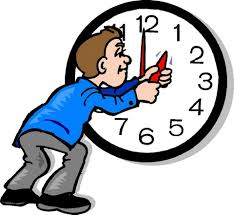
otherwise,
everything would happen all at once.
Take Time Out for Tea
Modern science has confirmed the potential health benefits of tea, according to the Mayo Clinic. People have turned to tea to soothe body and soul for more than 5,000 years. In China, tea has served medicinal purposes since ancient times.
Tea leaves contain a mix of substances including antioxidant compounds called polyphenols, and may offer some protection from:
— Cancer: Green tea may help prevent gastric, pancreatic, bladder and ovarian cancers. Research indicates that the reason may be catechins, polyphenols that appear to have cancer-fighting and other health-promoting properties. Green tea is especially rich in catechins.
— Cardiovascular disease: Green tea may lower cholesterol and triglyceride levels. And black tea and green tea are linked to a reduced risk of heart attack and stroke.
— Cavities: Green tea destroys bacteria that can contribute to tooth cavities. It also helps prevent plaque formation.
— Parkinson’s disease: Caffeine in tea might help prevent Parkinson’s or slow its development, possibly by increasing mental alertness or by increasing the availability of the brain chemical, dopamine.
The Problem With . . .
. . .doing nothing
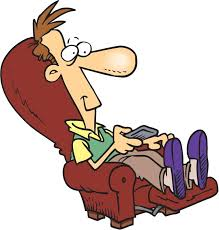
is that you never run out
of nothing to do.
X Marks the Surgeon’s Spot
Make sure the surgeon places an X to mark the spot where you’re going to have surgery. It’s rare, but surgeons have made and will continue to make mistakes and operate on the wrong part of the body.
Many medical groups urge their members to use a marking pen to show the place that they will operate on, so don’t be afraid to ask your surgeon to make his or her mark so you can see it before you head for the operating room.
This is just one of the questions you should ask your doctor when surgery is recommended. Find out what benefits to expect, the length of the recovery time, and what type of anesthesia will be used and how it will affect you.
You should also determine how much of the cost of the operation is covered by medical insurance, and whether a second opinion is required and/or covered. And don’t be afraid to ask how much the total medical-services and hospital bill will be for the surgery, anesthesia, post-operative care, recovery, and follow-up therapy.
Critical queries to add are the “what happens if” questions: “What happens if I choose not to have the surgery?” and “What happens if something goes wrong?”
And before he or she marks X on the spot, ask for a detailed explanation of the operation. They can draw a picture or diagram and explain the steps in the surgery.
An Inmate . . .
. . . who’s moving to colder climes
said he’s going to try some cross-country skiing,
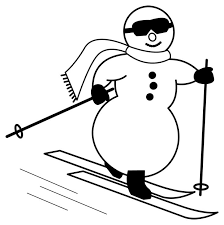
I suggested he pick a small country.
Traveling Alone Has its Own Trip
Travel can lose much of its attraction after losing your life-long partner that shared the sites and sights you encountered around the globe over the years. And many suddenly-singles don’t relish the thought of returning to a favorite voyage or villa without the person they enjoyed it with over the years.
This is at a time when, for the first time in their lives, they probably can travel to wherever they choose to and stay as long as they wish.
Most can recall chatting with a solo traveler or two over the years. One long-time friend has flown to several countries and cities without any reservations and rents a room or apartment for several weeks to soak in the culture and cuisine of the land.
If you don’t feel like going it alone, you can book tours for ski trips, museum visits, cooking schools, national parks and almost anything you can envision.
Some of the bumps on the traveling-alone road include finding time to go off on your own during the tour you’ve booked with a group, how to avoid paying the single supplement charged by hotels and cruise ships, as well as getting along with room-mates on the trip.
If He Didn’t Say It . . .
. . . he would have
because, according to reports,
the late, great Yogi Berra said
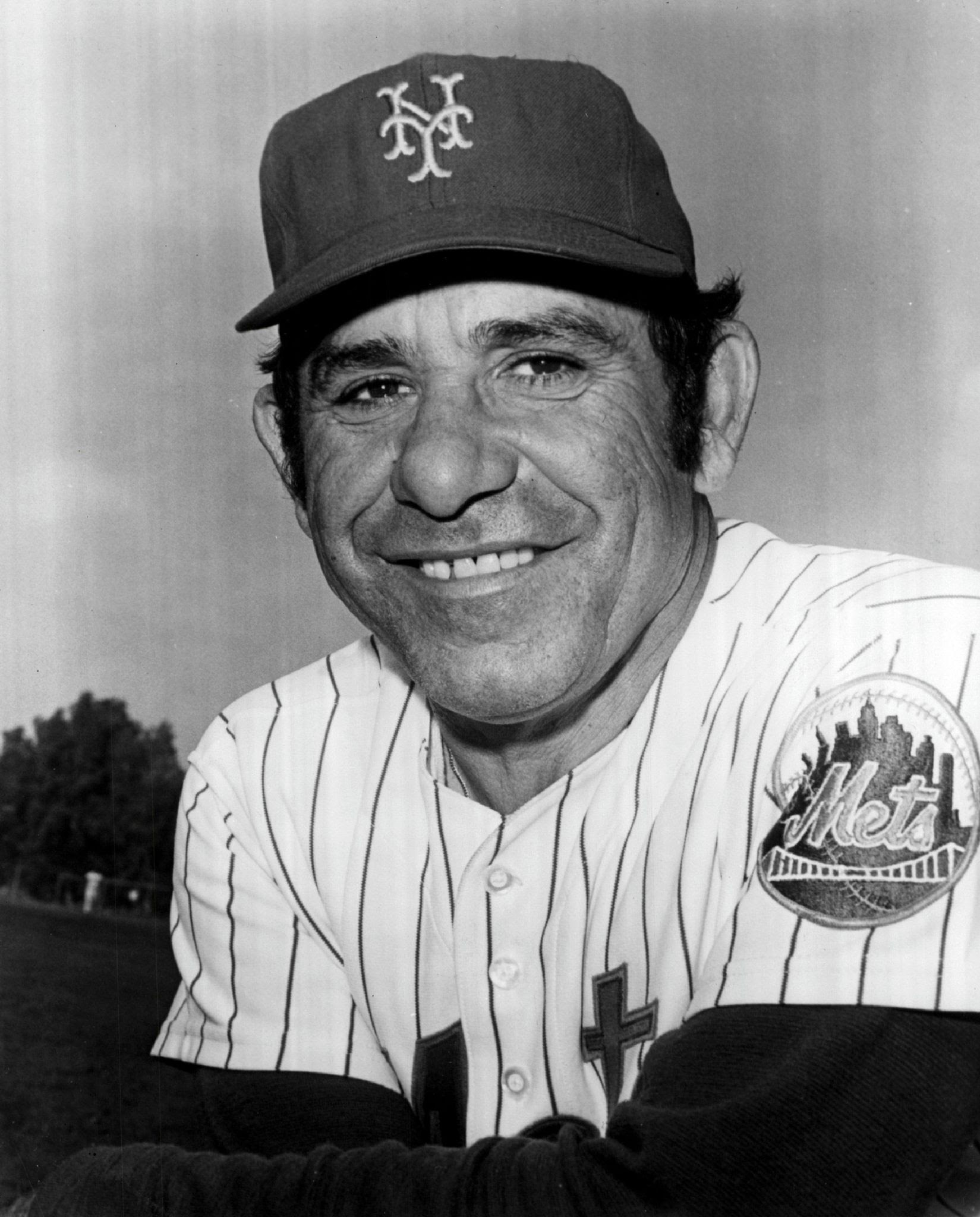
he didn’t know if the naked bodies
streaking across the field
were male over female
“because they were wearing bags of their heads.”
Ignoring Stress Can Be Stressful
A lot of attention has been given to the debilitating effects of depression. It’s been cited for, among other things, affecting our mental and physical health and exacerbating such conditions as heart disease and triggering other medical issues.
So does stress.
Most folks think they can handle it because they’ve coped with a day-to-day working life, raising a family, making mortgage payments and so on. But stress still lurks in the corners of their psyche if they don’t pay attention.
Exercise can push it aside. So can medication. Anything that helps you retain a feeling of quietude and optimism. Maintaining a circle of friends and socializing with them regularly also lowers stress levels.
Fighting Fire With Fire . . .
. . . doesn’t make sense.
As far as I know,
all fire departments

use water.
Favorites From the ‘60s
You probably have some 50-year-old things around the house that recall the 1960s.
How about that pair of ugly but comfortable Birkenstocks? And that packet of M&Ms tucked into the kitchen cupboard?
A constant reminder of that decade are those big square brown trucks UPS still uses, as is your color television set, which came into its own in the mid ‘60s. Alex Trebek and “Jeopardy” began their amazing run about the same time as “Star Trek” ventured “where no man has gone before.”
The Big Mac and Pop-Tarts emerged during that decade along with a healthier counterpart, Gatorade.
Both James Bond and The Beatles popped into our culture then along with the pill, which planted seeds for the later sexual revolution.
 Mature Life Features