Archive for the ‘Health’ Category
The Problem With . . .
. . .doing nothing
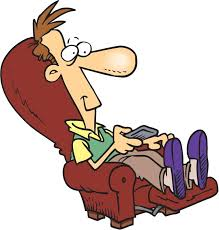
is that you never run out
of nothing to do.
X Marks the Surgeon’s Spot
Make sure the surgeon places an X to mark the spot where you’re going to have surgery. It’s rare, but surgeons have made and will continue to make mistakes and operate on the wrong part of the body.
Many medical groups urge their members to use a marking pen to show the place that they will operate on, so don’t be afraid to ask your surgeon to make his or her mark so you can see it before you head for the operating room.
This is just one of the questions you should ask your doctor when surgery is recommended. Find out what benefits to expect, the length of the recovery time, and what type of anesthesia will be used and how it will affect you.
You should also determine how much of the cost of the operation is covered by medical insurance, and whether a second opinion is required and/or covered. And don’t be afraid to ask how much the total medical-services and hospital bill will be for the surgery, anesthesia, post-operative care, recovery, and follow-up therapy.
Critical queries to add are the “what happens if” questions: “What happens if I choose not to have the surgery?” and “What happens if something goes wrong?”
And before he or she marks X on the spot, ask for a detailed explanation of the operation. They can draw a picture or diagram and explain the steps in the surgery.
If He Didn’t Say It . . .
. . . he would have
because, according to reports,
the late, great Yogi Berra said
he didn’t know if the naked bodies
streaking across the field
were male over female
“because they were wearing bags of their heads.”
Ignoring Stress Can Be Stressful
A lot of attention has been given to the debilitating effects of depression. It’s been cited for, among other things, affecting our mental and physical health and exacerbating such conditions as heart disease and triggering other medical issues.
So does stress.
Most folks think they can handle it because they’ve coped with a day-to-day working life, raising a family, making mortgage payments and so on. But stress still lurks in the corners of their psyche if they don’t pay attention.
Exercise can push it aside. So can medication. Anything that helps you retain a feeling of quietude and optimism. Maintaining a circle of friends and socializing with them regularly also lowers stress levels.
The Concept of Zero . . .
. . . has always baffled me.

For example,
if you have two choices
and you take one option away,
you’re left with zero choices.
Shortage of Medical Staff
The aging population not only is creating more demand for medical services, it’s also accelerating the shortage of doctors and nurses as they approach retirement age.
As the 65-and-over population grows by almost 50 percent over the next decade, almost the same percentage of doctors will join that phalanx during the same period.
We expect to be almost 140,000 physician short of what we need by 2033, according to the Association of American Medical Colleges, reports Bottom Line.
To protect yourself, you can look for a younger doctor to care for you should your current physician b e close to retirement. You also can seek a primary care physician affiliated with a group practice so there will be a medical doctor in-house to serve you should your current doctor leave.
Lady At A Nearby Table . . .

. . .announced
that her son just told her
he was born again
and the lady said
she didn’t feel a thing.
Penny Earned No Longer Possible
The penny will soon be in only our thoughts, to paraphrase an old adage.
Penny production is being phased out this year and the last batch will be available in proof sets next spring. The coin is being discontinued because it costs more than 2 cents to produce the 1 cent piece.
Canada quit making pennies a decade ago because it was costing too much to make them.
Almost 290 billion U.S. pennies have been produced and some 150 billion are still in circulation. The rest have been tossed into fountains, tucked into jars or loafers, made into jewelry or rolled onto a sidewalk somewhere.
Pragmatists predict business will round out prices for everyone to accommodate the loss of the penny. This might get complicated where prices are displayed before any sales taxes are added.
Relinquishing of the penny is a reminder of the pressures being exerted to do away with cash. Promoters of a cashless society argue that maintaining automated teller machines (currently paid for by the banks) is costly. Retailers and other businesses complain that taking cash takes more time and money than payments made by store card, debit card, credit card or cryptocurrency. And don’t forget your handy dandy contactless-payment tool in your hand – the cell phone.
The pressures for change are not going away. Next in the line of sight of those who want to abolish coins is the nickel. Their argument sounds familiar. It costs about 7 cents to make a nickel.
If You’re Allergic. . .
. . . to cotton,
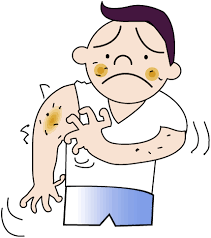
how do you get the pills
out of the bottle?
Telemedicine Keeps Doctor Away
Call it telemedicine or telehealth, it’s the future of doctor-patient relationships and it’s already arrived.
The use of telehealth exploded during the COVID-19 pandemic and there no longer is any question within and without the medical community that telemedicine is here to stay.
While face-to-face visits with primary-care physicians and specialists are expected to continue for critical cases, chronic care no longer will call for a patient to get a ride to the doctor’s office. Everything will be handled by phone or computer.
After an annual visit to a specialist monitoring his liver condition, a relative was told to make appointments for an ultrasound reading and a blood test. The blood test had to be made online and it took several sessions with a computerized voice to get called by a person to make the ultrasound appointment.
A computerized phone call notified him the results of the test were posted on the patient portal in his computer. He had to read — and translate — the results himself. He assumed everything was routine because the doctor, or his assistant, would call if there were any problems or peril.
You can check your symptoms on the internet, but the information out there is unreliable. It may make for interesting reading, but you need to see your doctor for a dependable diagnosis. Once you’ve met with him or her, telemedicine can be used for follow-up and treatment.
Connecting through cyberspace means you always have a medical babysitter at your elbow. When an issue erupts, a quick contact with your caregiver will let you know how to respond.
Support groups also congregate on the internet. Folks with cancer, ALS, disabilities and long-term medical conditions can establish and maintain contacts that can help each other climb over crises.
How Do Knowitalls . . .
. . .know when

they know it all?
Obesity Weighs Heavily on Elderly
When people think of poor health in the older-adult population, images of frail and underweight individuals often come to mind. But nutritionists and health professionals on both sides of the Atlantic have noted an overlooked “obesity epidemic” affecting more than 30 percent of adults over 60 years of age.
The issue of a few extra pounds pale by comparison for many people when they consider such other old-age issues as dementia, chronic disease, lifestyle limitations, and money woes. Physicians may avoid talking about obesity with their older patients because they think it may be too late to encourage a change in health behavior, experts say.
Here are some facts.
— One in four people older than 50 is considered obese.
— Slightly more than half of adults 50 and older reported being asked during routine medical check-ups about physical activity or exercise. The likelihood of being asked about exercise during a routine check-up declined with age.
— Only one-third of adults 65 and older get the daily recommended level of exercise.
If An Invisible Guy . . .

. . .had a medical problem,
would the doctor
be able to see him?
Headaches Are a Real Pain
We’re surrounded by headaches.

Bustling traffic, noisy neighbors, relentless relatives, busybody bosses, and you’ll think of a few more. Those aren’t really headaches, although they may be causes.
Most of us will suffer at least one headache this year. More than 70 million people in this country suffer from intermittent headaches, according to a national survey.
About one in 10 individuals suffer the blinding pain of migraines and the accompanying complaints, such as sensitivity to light, noise and smells, nausea and upset stomach among others.
Sinus headaches usually are the result of infected sinuses and hover around the front of your face – forehead, nose and cheeks.
Cluster headaches hit about 1 percent of the population. They’re usually short but extremely painful and tend to occur in clusters – several times a day or at the same of time of day for several days.
Tension is the most common cause of the most common headaches. These types of headaches usually are a steady ache rather than a throbbing that’s a hallmark of many migraines.
Erasing these attacks calls for learning how to relax mentally as well as physically. Getting enough sleep is a good start. So is some form of regular exercise. Swimming, biking, walking and gardening are simple means to keep you moving enough to assure you of a good night’s sleep. If you’re experiencing headaches more than once a week for any reason, make an appointment with your primary-care physician to discuss their source and suggested solutions to the problem.
People Keep Asking . . .
. . . why I take so many naps.

Because, I tell them,
it prevents aging,
especially when you take them
when you’re behind the wheel.
Listen to Communicate with Alzheimer’s Victims
A friend has a running gag in which he tells someone he received a solicitation for a contribution to the Alzheimer’s Association but he forgot where he put it. It’s his form of gallows humor to forget the fact that some 5 million Americans are victims of this disorder.
The AA urges victims to be candid about their disease and, at the appearance of its signs, to discuss their symptoms with relatives and friends. Maintaining open lines of communication with people facing dementia are critical to keeping victims, caregivers, relatives and friends on as even a keel as possible as disabilities progress.
The first of a half dozen steps recommended by the AA to everyone around an Alzheimer’s sufferer is to listen. And let the sufferer know they are listening, are being patient, and are trying to understand what he or she is saying.
Many times the emotions being expressed by the victim are more important than the words used. Tone of voice can help you search for the feelings behind the phrases. If you don’t understand what’s being said, ask the Alzheimer’s-afflicted person to point or gesture to let you know what he or she wants.
Even At This Age . . .
. . .an old buddy was worried
about an on-line date he’d made.

I suggested they meet in a gym
and if she didn’t show up
then he’d know they wouldn’t work out.
Positive Attitude Negates Arthritis Pain
Millions of Americans live with arthritis, which occurs in more than 100 forms and at varying levels of severity. But not everyone copes in the same way, even among those with similar signs and symptoms.
People with a positive, proactive attitude are likely to experience less pain and fewer limitations from their arthritis than those who are more negative. And when people feel in control, they’re more likely to use medical-treatment options effectively, medical experts report..
The following are some healthy lifestyle measures that can help people cope with arthritis.
–Reduce stress, because stress increases muscle tension than can worsen arthritis pain. This can set off a cycle of increased pain, decreased ability to function, and more stress.
–Take time to relax in a variety of ways; meditation and prayer can calm your minds while massage or slow and deep breathing help relax muscles. Exercise, such as yoga or tai chi, often enhances relaxation.
–Understand your pain by learning the difference between pain associated with general joint discomfort and what is caused by joint overuse.
–Know when to rest. The feeling of fatigued joints may be a signal to back off or change activities. Painful, inflamed joints may require total rest temporarily or even an immobilizing splint. Whole body rest also is important. If you have trouble getting a good night’s sleep, talk to your doctor about strategies to improve sleep. During the day, rest before you become too tired.
–Use “assistive” devices, such as as jar openers, specially designed kitchen knives, devices to extend your reach, and aids to help you dress, to make common daily tasks less harmful to your joints.
A Good Way . . .
. . . to make a small fortune on Wall Street

is to start out with a large one.
Legs Support Your Health
Hockey Hall-of-Famer Gordie Howe reportedly said it years ago: “The legs go first.”
Maintaining leg strength and flexibility ranks high on the list of physical activities that will slow the aging process and ward off illness. Simple things, such as walking, swimming, jogging, hiking, and biking, not only lengthen one’s life but make those extended years more comfortable and enjoyable.
While watching television, stand up from the chair. If you can do this, and sit back down, without requiring any form of support, you’re doing OK.
Then sit on the edge of the chair and extend one leg out in front of you. Reach down with both hand and try to touch the toes on your extended leg without bending the knee. Now try it with the other leg. Work on this until you can get your fingers within four to six inches – or closer — from your toes.
 Mature Life Features